The Surprising Impact of Cat Stress on Their Health (& How to Help)
Have you ever looked at your cat, blissfully napping in a patch of sun without a care in the world, and felt a little jealous? They don’t have to worry about work deadlines or what to make for dinner.
Their biggest problem is deciding whether to nap on the fuzzy blanket or the extra fuzzy blanket. It seems like they live a completely stress-free life, right?
Well, not exactly. Before I really got into the science of it all, I thought my cat Remy's biggest stressor was the bottom of his food bowl being visible.
But it turns out that cats are highly sensitive creatures, and their stress is not only real but can have a massive impact on their physical health. If you’re here, it means you're a flipping fantastic cat parent who wants to make sure your kitty is not just happy on the surface but healthy from the inside out.
Let's dive into the science of cat stress, how it can secretly make them sick, and what you can do to create a zen paradise for your favorite furry friend. This isn't just about managing their mood; it's about protecting their health.
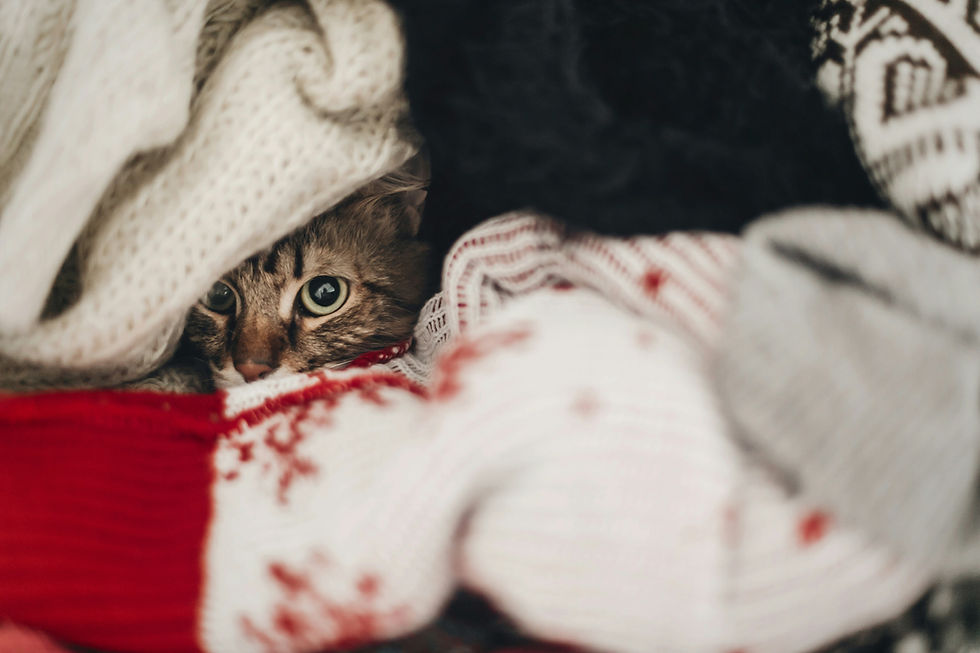
How Does Cat Stress Wreak Havoc on Their Health?
Okay, let's get a little nerdy for a second. When your cat encounters something scary—like a strange dog barking outside or you suddenly deciding to rearrange all the living room furniture—their body goes into full-on panic mode.
A system called the hypothalamic-pituitary-adrenal (HPA) axis kicks into gear, flooding their body with stress hormones like cortisol.
In short bursts, this "fight or flight" response is a good thing! It helps them deal with immediate threats. But when the stress is constant or "chronic," this system goes into overdrive.
The continuous flood of stress hormones starts to do some serious damage, most notably by suppressing their immune system. A cat with a weakened immune system is like a castle with its drawbridge permanently down—it's wide open to invasion from all sorts of illnesses.
Common Illnesses Caused by Chronic Stress
When a cat's immune system is compromised, a whole host of health problems can sneak in. These aren't just minor issues; they can be serious, painful, and costly. Here are some of the most common illnesses directly linked to chronic cat stress.
Upper Respiratory Infections (URIs): You know that kitty "cold" with all the sneezing and watery eyes? A stressed cat is way more likely to get it. In fact, research shows they can be over five times more likely to develop a URI. Their body is too busy dealing with stress to effectively fight off the common viruses that cause these infections.
Feline Idiopathic Cystitis (FIC): This is a huge one. FIC is a painful inflammation of the bladder that can cause symptoms like straining to urinate, peeing outside the litter box, and even blood in the urine. It’s intensely uncomfortable, and stress is one of the biggest known triggers. The stress hormones can actually alter the lining of the bladder, making it more susceptible to inflammation.
Gastrointestinal (GI) Problems: Is your cat prone to vomiting or diarrhea? Stress could be the culprit. Chronic stress can wreak havoc on a cat's digestive system, leading to issues like inflammatory bowel disease (IBD), ulcers, and just general tummy upset. Their gut is literally in turmoil because their brain is.
Behavioral Changes That Signal Sickness: Sometimes, the first sign of a health problem is a change in behavior. Stress can cause a cat to over-groom to the point of creating bald spots, hide constantly, become aggressive, or stop using the litter box. These aren't just "bad habits"; they are often desperate cries for help.
The Sneaky Causes of Cat Stress
So, what’s stressing our cats out? Since they don't have to worry about taxes, their stressors are all about their environment and social lives.
Environmental Stressors: Cats are creatures of habit. Big changes like moving to a new home, renovations, or even just a new piece of furniture can be incredibly stressful. A lack of "environmental enrichment"—like toys, scratching posts, and places to climb—can also lead to boredom, which is a major form of stress.
Social Stressors: Is there tension between your cats? Are they competing for food, litter boxes, or your attention? This kind of social conflict is a massive source of chronic stress. Even a poor relationship with a human can be stressful if the person doesn't understand cat body language and consistently pushes their boundaries.
Housing Conditions: A cat's living space matters. A small apartment isn't necessarily stressful, but one that's loud, chaotic, and lacks safe hiding spots can be a nightmare for a cat. They need to feel like they have a secure territory to truly relax.
How to Create a Zen Den for Your Cat
The good news is that you have so much power to reduce your cat's stress! It's all about creating an environment that meets their instinctual needs.
Enrich Their World: This is the fun part! Provide plenty of toys, a tall cat tree for climbing and surveying their kingdom, sturdy scratching posts to let them stretch and mark their territory, and window perches for bird-watching ("cat TV").
Keep a Predictable Routine: This is a huge stress-reducer. Try to feed them and play with them at the same times every day. This predictability creates a sense of stability and security, letting them know they can count on you.
Foster Social Harmony: If you have multiple pets, make sure there are enough resources to go around (one litter box per cat plus one extra, separate feeding stations, etc.) to reduce competition. Focus on building a positive, trusting bond with your cat by letting them initiate affection and respecting their boundaries.
Consider Pheromones: Products like Feliway mimic a cat's natural calming pheromones and can be a great tool for reducing anxiety during stressful events like moving or introducing a new pet.
Don't Skip Vet Visits: Since cats are masters at hiding illness, regular check-ups are essential. If you notice any sudden changes in behavior, a vet visit should be your first move to rule out or treat any underlying health issues caused by stress.
Your Love is the Best Medicine
At the end of the day, a cat who feels safe, secure, and loved is a cat who is better equipped to handle stress. The bond you share isn't just about cute cuddles; it’s a powerful buffer against illness.
By being a proactive, observant, and loving cat parent, you’re not just making your cat happy—you’re actively contributing to their long-term health. So go on, schedule that playtime, clean that litter box, and respect that afternoon nap.
You're not just a pet owner; you're your cat's personal zen master. You’ve got this! 🐾


Comments