How to Help a Constipated Kitten at Home: The Gentle Guide
This post is part of a series on: "How to... (Cat Health Edition, Everything You Need To Know)"
Congrats!
You recently brought home a tiny, fluffy, adorable little kitten. You have set up the perfect little bed, bought all the best toys, and you are monitoring their litter box habits like an absolute hawk.
But as the hours tick by, you realize something is missing. There is no poop.
You watch your tiny baby hop into the litter box, push, strain, let out a pathetic little squeak, and hop right back out with absolutely nothing to show for their hard work.
The panic immediately sets in! As you stare at the empty litter box, you frantically grab your phone and type in the ultimate new-parent question: how to help a constipated kitten at home?
Today, we are going to dive deep into the delicate, sometimes messy world of kitten digestion.
We will uncover exactly what to do when your tiny predator gets blocked up, decode the safe ways to get things moving, and learn exactly when it is time to call in the medical professionals!
By the way, if you'd love more affection from your cat, I created a 15 minute tool that turned my own distant cat into my shadow!
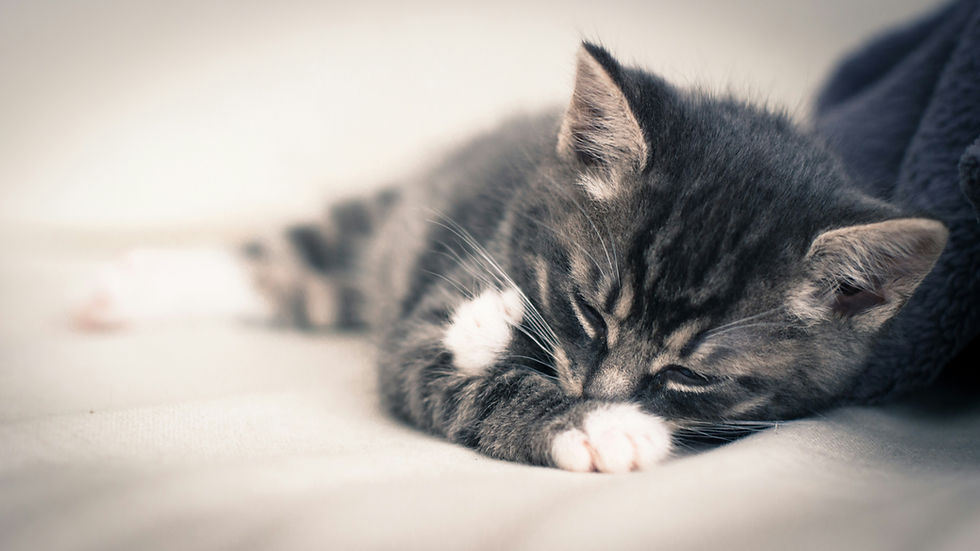
The Golden Rule Before You Learn How to Help a Constipated Kitten at Home
I was raised in Los Angeles, CA by a veterinary ophthalmologist. She'd always quiz me on dog breeds on the street and I would fail, but I still learned a lot about animals!
One of the absolute biggest lessons I learned growing up around a veterinary clinic is that tiny babies are incredibly fragile.
Before we jump into the home remedies, we have to establish the golden rule of kitten care. Constipation in a kitten means infrequent, hard, dry stools and visible straining.
But because kittens are so small, they can deteriorate incredibly fast.
Here is the absolute truth: Home care is only appropriate for very mild constipation in a kitten who is otherwise bright, playful, and eating like a champ.
If your kitten is under three or four weeks old, they physically cannot go to the bathroom on their own and must be manually stimulated.
At that tiny age, failing to pass stool for more than 24 hours is a massive emergency that requires a vet.
For older, weaned kittens, any constipation lasting longer than 24 hours should automatically trigger a vet visit, not a DIY home experiment.
You always want a vet to rule out a dangerous physical obstruction before you try to force things to move!
Gentle Strategies to Get Things Moving
If your vet has given you the green light, or if you just noticed your playful, happy older kitten having a slightly tough time in the litter box today, there are several wonderful, safe things you can do to help them out.
Here is your highly actionable, step-by-step guide to naturally relieving mild kitten constipation!
1. Boost Their Hydration Station
Dehydration is the absolute number one driver of constipation in felines! The large intestine's main job is to absorb water.
If your kitten is not drinking enough, their body will steal moisture from their stool, leaving behind hard, dry, impossible-to-pass rocks.
To fix this, you need to sneak extra water into their diet!
Ditch the dry kibble: If your kitten is eating dry food, immediately swap them over to a high-quality, moisture-rich canned wet food.
Make kitten soup: You can even add an extra tablespoon of warm water or unsalted, onion-free chicken broth to their wet food and mash it up into a delicious soup!
For bottle babies: If you are bottle-feeding a neonate, consult your vet! They might suggest temporarily diluting their formula slightly or adding a feline-safe electrolyte solution to massively boost their fluid intake.
2. The Tummy Massage and "Bicycle" Routine
Just like human babies, little kittens sometimes just need a little bit of physical movement to stimulate their intestinal motility. If your kitten is totally stopped up, it is time for some gentle physical therapy!
Place your kitten on their back in your lap (if they tolerate it!) or stand them up on a soft towel. Using just one or two fingers, apply incredibly light, gentle pressure and massage their cute little belly in a clockwise circular motion.
Next, try the "bicycle" trick! Gently hold their back legs and slowly, carefully move them in a bicycling motion, pushing their little knees up toward their tummy.
This movement physically massages the intestines and often helps push trapped gas and stool right toward the exit!
3. Draw a Warm Spa Bath
Have you ever taken a hot bath to relax your achy muscles? It works wonders for kittens, too!
A comfortably warm water soak can work absolute miracles for a bound-up baby.
Fill a sink or a small basin with an inch or two of warm (not hot!) water. Gently lower your kitten into the water so just their tummy and their little rear end are submerged.
The warmth of the water helps completely relax their lower abdominal muscles and their sphincter.
Sometimes, just sitting in the warm water for five minutes is enough to instantly trigger a bowel movement!
If you are caring for a neonatal baby, neonatal specialists often gently stimulate the anal area with a soft, warm tissue while the kitten is soaking in the water to double down on the bathroom encouragement.
4. A Tiny Dash of Pumpkin Magic (For Weaned Kittens Only)
If your kitten is completely weaned and happily eating solid food, you can utilize the magical power of fiber!
But remember, you must only do this after a vet has officially ruled out an intestinal blockage. Adding fiber to a blocked intestine is like adding more cars to a massive traffic jam!
If you have the green light, go to the baking aisle of your grocery store and buy a can of pure, 100% plain pumpkin puree. Do not buy pumpkin pie filling!
Pie filling is packed with spices and massive amounts of sugar that will make your kitten incredibly sick.
Mix just one to two tiny teaspoons of the pure pumpkin into their wet food once a day. The natural fiber and high water content in the pumpkin work beautifully to soften the stool and push it smoothly through the digestive tract.
A Quick Warning About Kitten Laxatives
When you are desperately searching the internet for solutions, you might see people recommending that you give your kitten mineral oil, MiraLAX, or other human laxatives. Please, stop right there!
You should absolutely never give a kitten an over-the-counter laxative or mineral oil without direct veterinary supervision.
Forcing mineral oil into a kitten's mouth carries a massive risk of aspiration (where the oil accidentally goes down into their lungs instead of their stomach), which can cause fatal pneumonia.
If your kitten truly needs a laxative, your vet will safely prescribe a gentle, feline-specific stool softener (like Lactulose) or a motility drug with exact, weight-based dosing instructions. Leave the medications to the pros!
Red Flags: When to Skip the Home Remedies
As devoted cat guardians, we have to know when to calmly monitor a situation and when to grab the pet carrier. You should completely bypass the home remedies, stop everything, and seek immediate veterinary care if you see any of these terrifying red flags:
The 24-Hour Rule: Your kitten has not produced a single stool in over 24 hours.
Intense Pain: Your kitten is repeatedly sitting in the litter box, straining incredibly hard, and crying out in pain with little to no result.
The Tummy Troubles: Your kitten starts vomiting, or their abdomen feels completely bloated, hard, and very firm to the touch.
Behavioral Dips: Your normally bouncy baby is suddenly completely lethargic, sleeping all day, or absolutely refusing to eat their dinner.
Scary Stools: You see bright red blood in their stool, or it looks like a piece of stool (or a string!) is physically stuck halfway out of their anus.
These severe patterns strongly indicate that your baby is dealing with an obstruction, a condition called megacolon, or a systemic illness that requires professional IV fluids, safe enemas, or manual removal by a trained vet!
You Are Doing an Amazing Job!
You are doing an absolutely incredible job navigating the complicated, messy, and wonderful world of raising a tiny kitten!
By paying close attention to their bathroom habits, keeping them wonderfully hydrated, and partnering with your awesome vet, you are ensuring your little furry baby grows up to be a perfectly healthy, incredibly happy adult cat.
Did your kitten have a hilarious bathroom quirk when they were tiny? Have you ever tried the bicycle legs trick, or did you find a specific brand of wet food that keeps their tummy perfectly happy?
Share your funniest kitten stories, your best tips, and your experiences in the comments below—I absolutely love reading about how you care for your amazing felines!
Do you dream of that beautiful bond with your cat like you see on social media? I did too.
But instead, my cat just ignored me.
So, as the child of a veterinarian, I created an aloof cat bonding tool that walks you through exactly what to do each day in just 15 minutes.
Now my cat Remy won't leave my side.
Steal my hard-earned plan: you'll get an easy interactive daily checklist, 15 science-based games, and a progress tracker so you can see your cat slowly relax and seek you out.
Start your cat's bonding plan here!


Comments