Best Cat Food for Older Cats with Kidney Problems
If you’re standing in the pet food aisle reading tiny labels while your sweet older cat gives you the “absolutely not” stare at home, you are very much not alone.
Caring for a senior cat with kidney issues can feel like a strange mix of detective work, nursing care, and begging someone to please just eat one bite of the expensive food you bought.
The good news is this: choosing the best cat food for older cats with kidney problems does not have to be a total mystery.
A few key nutrition shifts can make a real difference in how your cat feels, how well they stay hydrated, and how manageable daily care becomes for both of you.
Even better, some of these food changes can also make mealtimes feel less stressful and more connective, which matters a lot when your cat is already feeling off.
In this post, we’ll cover the most useful things to look for, what matters most on the label, and how to make feeding time a little easier on your cat’s kidneys and your heart.
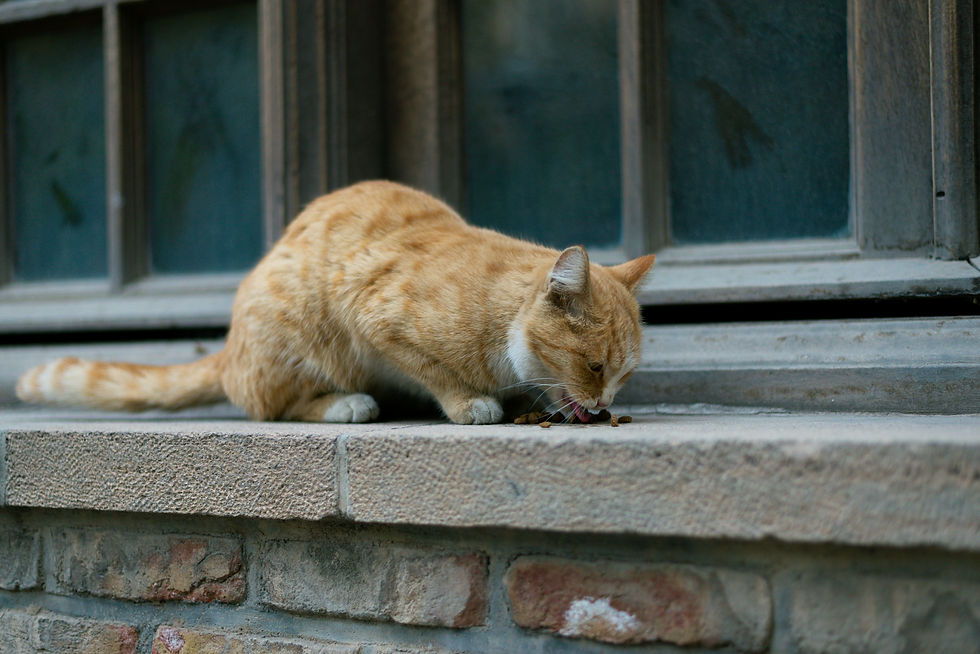
Best Cat Food for Older Cats with Kidney Problems: What Matters Most
When cats develop chronic kidney disease, the goal is not just “feed less” or “feed senior food.”
It’s much more specific than that. The right food usually helps with hydration, phosphorus control, inflammation, and consistent calorie intake. Those are the big levers.
Here are five research-backed tips that can help right away.
Tip 1 – Make moisture the non-negotiable
If you change only one thing, make it this one. Wet food matters a lot for older cats with kidney problems because it delivers far more water than dry kibble.
Wet food usually contains around 70–80% moisture, while dry food sits much closer to 10%. That gap is huge.
Cats are not great natural drinkers to begin with, and many dry-food cats live in a state of mild dehydration.
For kidneys that are already struggling, that is a tough daily burden. Better hydration supports blood flow through the kidneys and helps flush waste products more effectively.
In plain English: more moisture gives those tired kidneys more help.
If your cat is a lifelong kibble fan, you do not have to force an overnight personality transplant. Start with mixed feeding.
Add a spoonful of wet food next to their usual food, or gradually increase the wet portion over several days. Even a partial shift can improve total water intake.
This is also one of those changes that works best when it feels calm and predictable instead of dramatic.
That’s a big part of why I love having simple routines around care.
My little 15 Minutes to Make Your Aloof Cat Fall in Love With You method helps turn these tiny daily moments into something your cat can actually trust instead of resist.
Tip 2 – Phosphorus is the real troublemaker
A lot of people hear “kidney disease” and assume the main issue is protein. That sounds logical, but it misses the bigger problem.
In many cases, phosphorus is the nutrient that needs the closest attention.
As kidney function drops, the body has a harder time clearing phosphorus from the blood.
When phosphorus levels climb, it can trigger a chain reaction that worsens kidney damage and creates other issues in the body.
That is why many renal diets focus first on reducing phosphorus, not just slashing protein across the board.
So what should you look for in the best cat food for older cats with kidney problems?
Reduced phosphorus
Moderate amounts of high-quality, digestible protein
Animal proteins your cat can use well, like chicken, turkey, or rabbit
The goal is not to starve an older cat of protein. Senior cats still need protein to maintain muscle mass.
Going too low can backfire and leave them weaker. What you want is a food that gives enough good protein while keeping phosphorus under better control.
This tip alone can save a lot of trial and error. And if you’ve ever felt weirdly emotional while comparing cat food labels at 9:30 p.m., same.
That’s part of why step-by-step systems help so much. In my 15-minute routine, I focus on making these care choices feel simpler and less overwhelming, especially if your cat already acts like your help is deeply offensive.
Tip 3 – Look for EPA and DHA from fish oil
Omega-3s are not just one of those ingredients brands slap on a bag to sound healthy.
For cats with early kidney disease, there is real evidence behind them, especially the marine-based forms EPA and DHA.
These fatty acids may help reduce inflammation in the kidneys, support better blood flow, and protect kidney function over time.
In one clinical study, cats with early CKD who received DHA-enriched fish oil showed improvements in important kidney markers within a matter of weeks.
That is not magic.
It is just a solid reminder that the right nutrients can matter a lot.
When you scan ingredient lists, be picky here.
You want omega-3s from fish oil, not vague plant-based sources that mainly provide ALA. Cats do not convert ALA efficiently into the forms that have shown kidney-supportive benefits.
EPA and DHA are the names worth spotting.
If your cat’s food does not include them, ask your vet whether a fish oil supplement makes sense. Do not add one blindly, since dose and product quality matter.
Also, a small practical note: if you’re introducing a food with fish oil, go slow. Cats can be tiny furry union reps with very specific demands about smell and texture.
Predictable little sessions work better than one dramatic switch. That same “little and steady” idea is exactly how I structure my 15-minute bonding routine too.
It helps care feel less like a battle and more like a rhythm.
Tip 4 – Ask your vet about phosphorus binders sooner, not later
Food does a lot of heavy lifting, but sometimes diet alone is not enough.
If your cat’s phosphorus levels are still creeping up, especially in later-stage kidney disease, it may be time to ask your vet about phosphorus binders.
These are products mixed into food that bind phosphorus in the gut so less of it gets absorbed.
That can make a meaningful difference when blood phosphorus is hard to control through diet alone.
In many cases, earlier intervention works better than waiting until the numbers are clearly out of range.
A helpful point to know: non-calcium-based binders are often preferred over calcium-based ones because calcium-heavy options can create problems of their own.
Your vet will guide that choice based on your cat’s bloodwork, current food, and kidney stage.
This tip matters because it reminds you that “best cat food” is sometimes only one part of the plan.
The best approach may be food plus medication support. That does not mean you failed. It means you are adjusting based on what your cat’s body needs.
And honestly, that flexible mindset is a huge part of good cat care in general. The best routines are the ones you can actually repeat.
That’s why my digital guide focuses on a short daily practice instead of some impossible all-day perfection plan.
Tip 5 – Palatability is not optional
This one is easy to underestimate until you live it. A food can be nutritionally perfect on paper and still be a disaster if your cat refuses to eat it.
Cats with kidney disease often deal with nausea, appetite loss, and food aversions. If they are not eating enough, they can lose weight and muscle fast.
So yes, kidney-friendly nutrition matters. But so does getting actual food into the actual cat.
That means palatability is not a bonus feature. It is part of treatment.
A few things that can help:
Transition slowly over 7–10 days
Mix a little new food with the old at first
Warm wet food slightly to boost aroma
Rotate between a few renal-friendly options your cat accepts
Prioritize a lower-phosphorus food they will eat over a “perfect” food they completely reject
Sometimes the best cat food for older cats with kidney problems is the one that checks the important boxes and gets eaten consistently.
That is real life. Your cat does not care about your spreadsheet. Your cat cares whether the bowl smells acceptable today.
This is another reason routines help so much. When your cat knows what to expect, feeding time can feel safer and less stressful.
My 15-minute daily routine pulls together little trust-building habits like that, so you are not reinventing the wheel every time your cat sniffs the bowl and walks away like a tiny food critic.
How to Choose the Best Cat Food for Older Cats with Kidney Problems
If you want a simple checklist, start here:
Prioritize these features
High moisture content
Reduced phosphorus
Moderate, high-quality animal protein
EPA and DHA from fish oil
Good palatability and texture your cat accepts
Be cautious about these issues
Dry food as the only food source
Very high-phosphorus formulas
Aggressive protein restriction without vet guidance
Sudden food changes
Supplements added without veterinary input
Ask your vet these questions
Is this food appropriate for my cat’s kidney stage?
What phosphorus level should I aim for?
Does my cat need a prescription renal diet?
Would a phosphorus binder help now?
Should I add fish oil or any other kidney-support supplement?
That last part matters. The internet can help you ask better questions, but your vet can help you make the safest plan.
A Simple Next Step for You and Your Cat
If your head is spinning a little, take a breath. You do not have to solve every food issue today.
Start with one useful change. Add more moisture. Check phosphorus. Choose a food your cat will actually eat. Then build from there.
And if these tips are already giving you a clearer picture, you’ll probably love having them organized into a simple, repeatable daily flow.
That’s exactly why I created 15 Minutes to Make Your Aloof Cat Fall in Love With You.
It pulls the important pieces together into a short routine you can actually do, even on tired days, even with a cat who acts like your kindness is suspicious.
If you want less guesswork, less mealtime stress, and more moments where your cat feels safe with you, take a look.
You can start small, start tonight, and make care feel a whole lot gentler for both of you.



Comments